What is managed logistics?
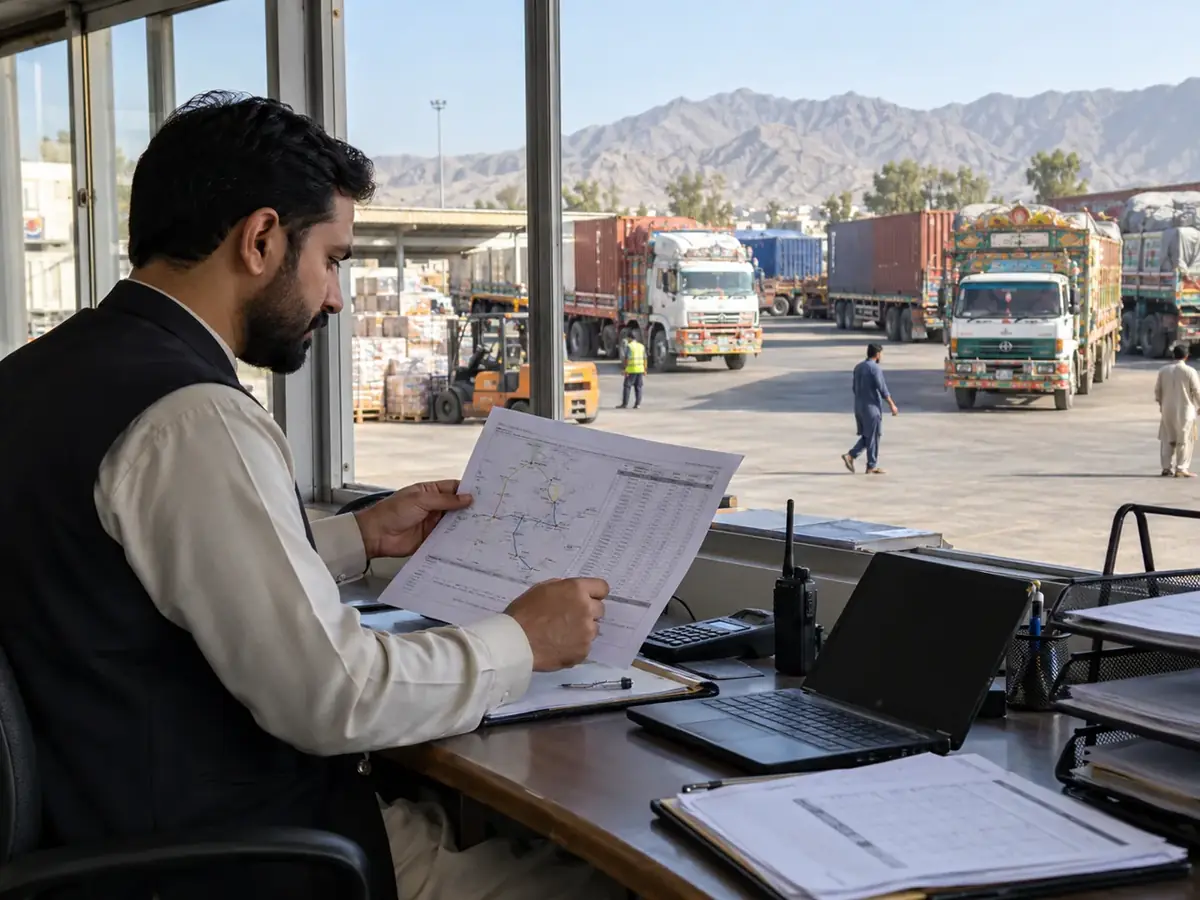
Managed logistics brings recurring transport and supporting operational activities into an agreed service scope. PTN’s approach begins with the customer’s routes, cargo, volumes, and operating constraints. It is most useful when the requirement is described as a repeatable operation with clear responsibilities and measures.
Who this service is for
- Businesses with regular inter-facility or customer delivery movements.
- Supply chains requiring planned vehicle arrangements and operational coordination.
- Customers assessing a defined ongoing logistics service rather than a single shipment.
Service scope and operating requirements
How the service is planned
Document the baseline
Share a route list, recent shipment pattern, peak requirements, and operating restrictions.
Define the service
Review the vehicle arrangement, communication process, commercial basis, and responsibilities.
Agree mobilisation
Confirm the start plan, contacts, service measures, and how changes or exceptions will be handled.
What affects the quotation?
An ongoing arrangement needs a defined volume and service baseline. Route mix, vehicle type, utilisation, working hours, waiting, seasonal peaks, and the contract period influence the commercial structure. The quotation should explain how variations are handled.
Information to send with your enquiry
- Route list with distances or full collection and delivery addresses.
- Historical and forecast volumes, including peak periods.
- Vehicle specifications, operating hours, and delivery expectations.
- Required reports, service measures, start date, and contract period.
Share these details with PTN at info@ptn.com.pk. The team will confirm the available arrangement and agreed scope before a booking proceeds.
Frequently asked questions
Is managed logistics the same as hiring a vehicle?
Its scope can be broader. The parties should define whether the arrangement covers only transport capacity or also planning, coordination, and reporting.
What measures should be discussed?
Useful measures may include agreed pickup and delivery windows, vehicle availability, document completion, and exception resolution. Actual commitments must be agreed.
Can requirements change during the arrangement?
The service agreement should describe how route changes, volume changes, peak demand, and additional activities are requested and priced.