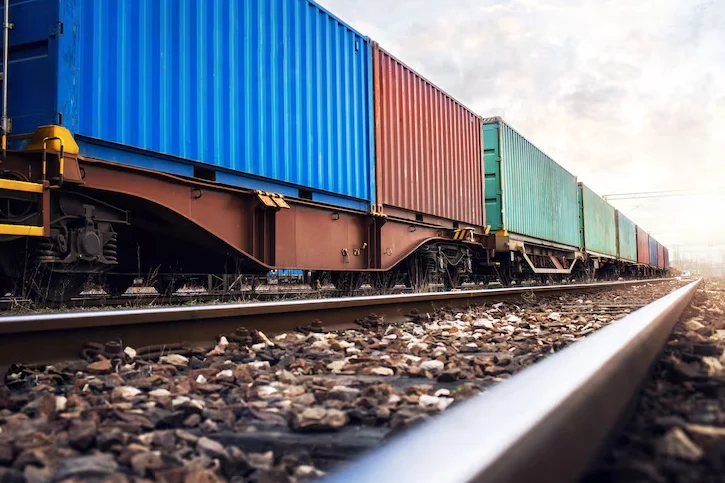
What is rail freight?
Rail freight can be considered for cargo whose route, shipment volume, and timing suit an available rail movement. PTN includes rail freight in its transportation offering. The practical plan must account for terminal access and the road movements needed before and after the rail leg.
Who this service is for
- Businesses assessing rail for repeat or substantial cargo movements.
- Shippers that can plan cargo readiness around an agreed departure arrangement.
- Supply chains that need to coordinate terminal-to-terminal and road legs.
Service scope and operating requirements
How the service is planned
Assess the requirement
Share cargo type, total weight, volume, shipment frequency, and the intended locations.
Plan the connections
Clarify where cargo is handed over, the terminal handling needed, and any first- or final-leg trucking.
Confirm availability
Agree the schedule, equipment, pricing, and responsibilities before committing the cargo.
What affects the quotation?
A meaningful comparison includes rail freight, terminal activities, connecting road transport, and the time required for each stage. The suitable option depends on the particular route and cargo rather than a universal rail-versus-road rate.
Information to send with your enquiry
- Collection and delivery locations, including preferred terminals if known.
- Cargo description, packaging, total weight, and volume.
- Shipment frequency and cargo-ready dates.
- Loading equipment and required road connections.
Share these details with PTN at info@ptn.com.pk. The team will confirm the available arrangement and agreed scope before a booking proceeds.
Frequently asked questions
Is rail available for every destination?
No route list is published on this page. The team must assess your origin, destination, cargo, and required dates.
Can the quote cover the road connections too?
You can request this. Each road leg and terminal activity should be explicitly included in the agreed scope.
What makes a rail enquiry different from a road enquiry?
Terminal locations, departure arrangements, handling at interchange points, and the connections on either side of the rail leg are particularly important.